
State Watch Africa

“The traditional development paradigm, based on Western models, may not be appropriate for African countries. We need to develop our own unique approaches that take into account our specific context and challenges.”

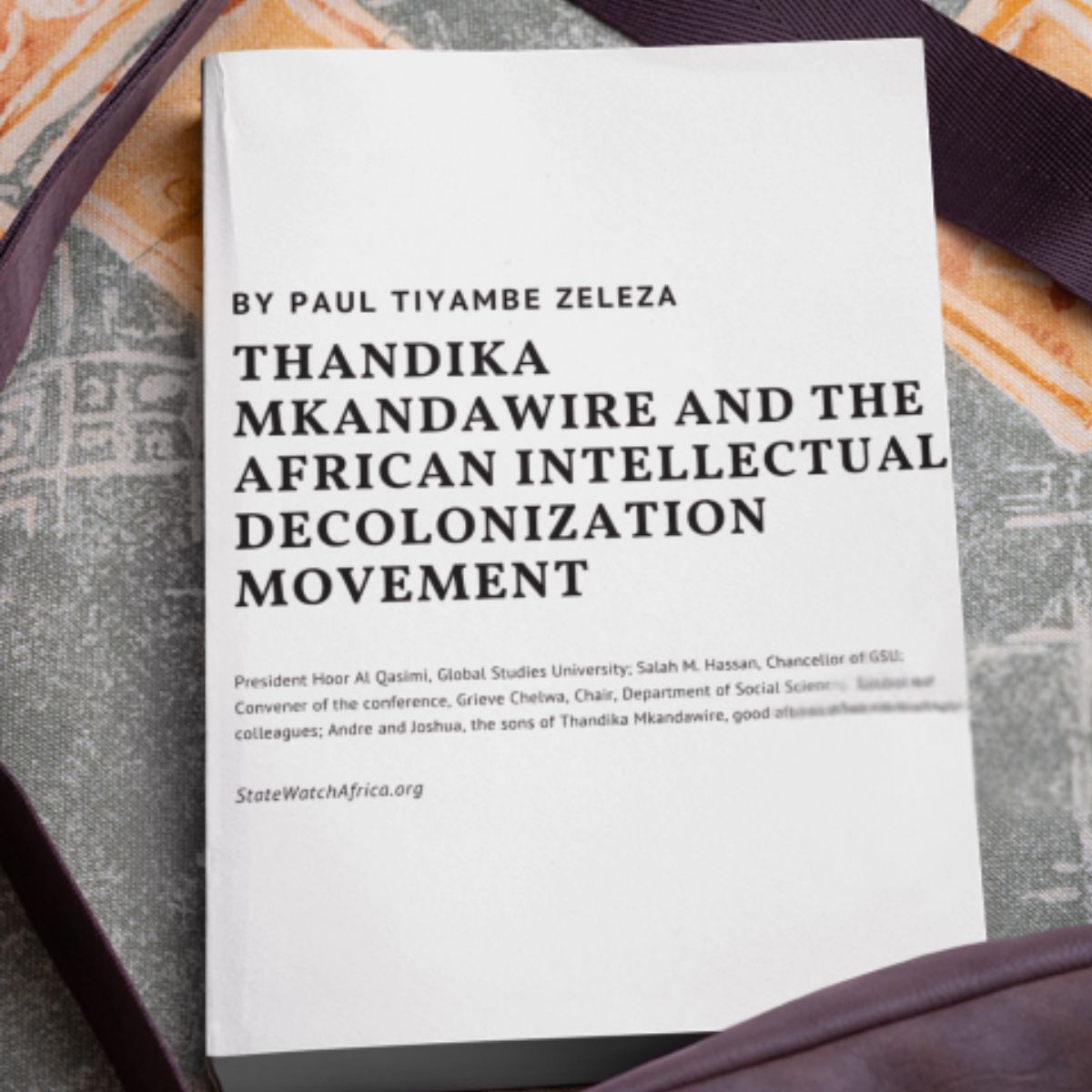
Dr Thandika Mkandawire

Late Professor in African Development at the London School of Economics

Our Focus Areas

  • The Politics of Development in Africa

    As noted by the late Prime Minister of Ethiopia, Meles Zenawi, development is fundamentally a political process. Our research and policy advocacy on the politics of development in Africa centers on unraveling the intricate interplay between political institutions, economic policies, and social dynamics. Key areas of focus include: understanding the nature of political settlements and the motivations of political elites in shaping development trajectories; examining the dynamics of elite bargaining in constructing development institutions and distributing economic rents; analyzing the influence of external actors, such as foreign aid and multinational corporations, on domestic development agendas; and investigating the relationship between political stability, conflict, and development outcomes.

  • Green Industrialization and Structural Transformation

    Green industrialization in Africa presents a unique opportunity to simultaneously address economic development and environmental sustainability. This approach involves transitioning towards industrial sectors that are less resource-intensive, more environmentally friendly, and capable of generating high-quality jobs. Our work focus on research on attracting investment in green technologies and infrastructure; developing the necessary skills and capacity within African workforces; and and ensuring that green industrialization benefits are equitably distributed across across social groups.

  • Innovation and Technological Catch-Up

    Historical evidence demonstrates the pivotal role of the state in fostering technological development. By providing targeted investments, creating favorable policy environments, and supporting research and development institutions, governments can catalyze innovation and accelerate technological catch-up. In Africa, however, the continent faces significant challenges in terms of technological development. These include limited research and development capabilities, inadequate infrastructure, a lack of access to finance, and intellectual property issues.We focus on Investment in education and training,Create supportive ecosystems for innovation,foster partnerships between government, academia, and the private sector and address infrastructure gaps and policy advocacy on intellectual property.

  • Developmental Regionalism and African Continental Free Trade Area (AfCFTA)

    The AfCFTA presents a valuable opportunity for Pan-African economic integration but must be implemented within a broader continental development framework to be effective. While trade liberalization is important, it should not overshadow critical development priorities like industrialization, diversification, infrastructure, human capital, and social equity. A narrow focus on reducing trade barriers could limit African states' ability to shape transformative economic policies. Instead, "developmental regionalism," which integrates trade with broader development goals, is needed. African states must prioritize the role of the state in guiding resource allocation, with a shift away from a purely profit-driven approach to address complex development challenges and ensure that the AfCFTA aligns with Africa's long-term development priorities.

Our Team

Nkosi Redge
    Nkosi Redge

    Executive Director | South Africa

    Redge,is a South African macroeconomist, and is the current executive director and research head for Firstsource Money, a Money, Banking and Macroeconomic Research, Advisory and Advocacy organization.
    Dr. Kojo Busia
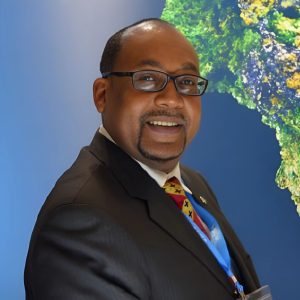
      Dr. Kojo Busia

      Advisory Council Member | Ghana

      Dr. Busia is the former Chief of Natural Resources Management Section, Division of Technology, Climate Change and Natural Resources Management at the United Nations Economic Commission for Africa.

      Dr Eka Ikpe
        Dr Eka Ikpe

        Advisory Council Member | Nigeria

        Eka Ikpe is a Senior Lecturer in Development Economics in Africa. She holds a BA in Economics from the University of Leeds, MSc in Economics and a PhD in Economics from University of London.

        Articles